The name Jezebel is one of the most well-known and controversial names in the Bible. She was a queen of Israel whose story is recorded in the Old Testament, especially in the books of 1 Kings and 2 Kings.
The Jezebel meaning in the Bible is often connected with rebellion, idolatry, false worship, and opposition to God’s prophets. Her life serves as a warning about the dangers of turning away from God and using power for selfish purposes.
Jezebel was the wife of King Ahab and influenced Israel toward the worship of foreign gods, especially Baal. Her story teaches important spiritual lessons about faithfulness, obedience, and the consequences of rejecting God’s truth.
What Does the Name Jezebel Mean?
The meaning of the name Jezebel is debated among scholars.
Some interpretations connect it with ideas such as:
- Where is the prince?
- Not exalted
- A name associated with foreign worship
The exact meaning is uncertain, but in biblical usage, the name became strongly associated with ungodly influence and rebellion against God.
Who Was Jezebel in the Bible?
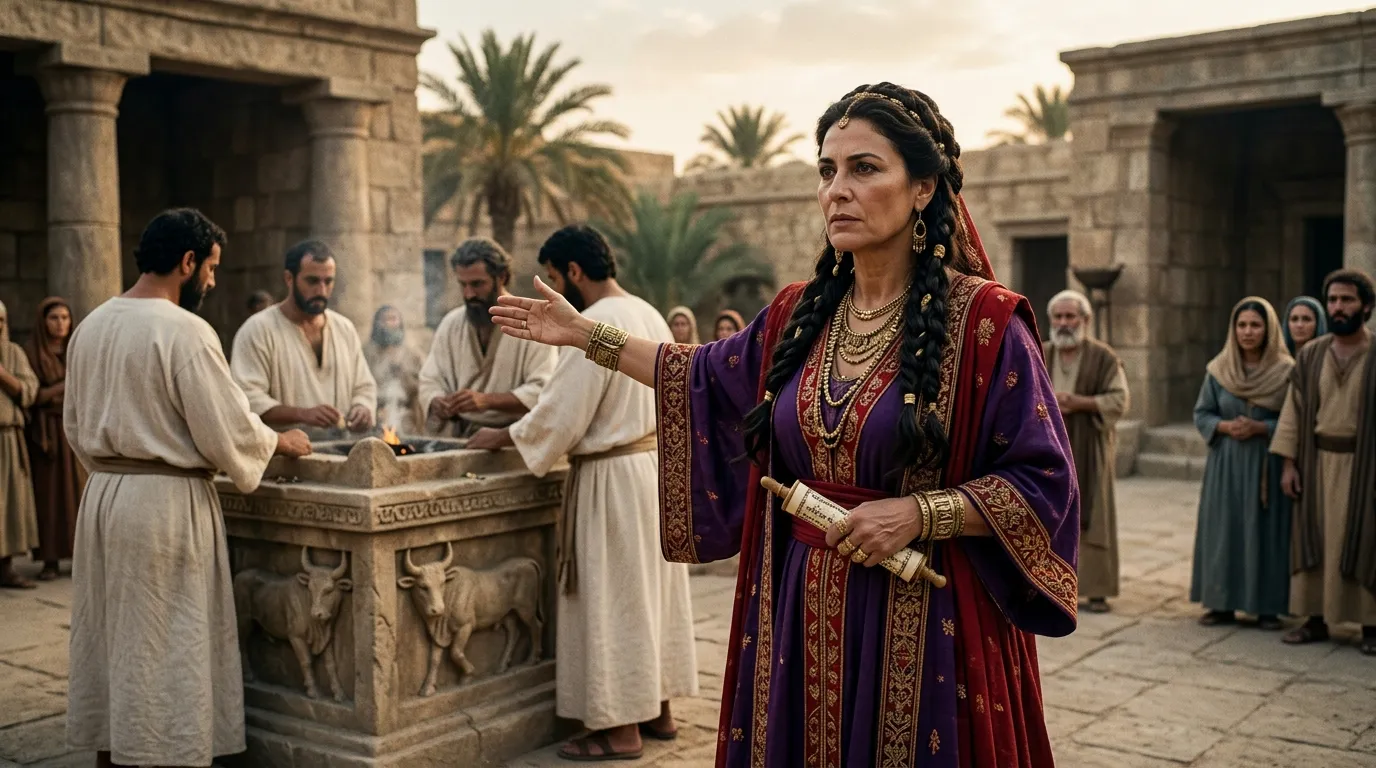
Jezebel was a Phoenician princess who became queen of Israel through her marriage to King Ahab.
She introduced the worship of Baal and Asherah into Israel.
“Ahab also made an Asherah pole and did more to arouse the anger of the Lord.” — 1 Kings 16:33
She supported false prophets and opposed those who followed the true God.
Jezebel and the Prophet Elijah
One of the most famous events involving Jezebel was her conflict with the prophet Elijah.
Elijah challenged the prophets of Baal on Mount Carmel to prove whose God was real.
God answered Elijah’s prayer, showing His power.
After this, Jezebel threatened Elijah’s life.
Her reaction showed her continued rebellion against God.
The Spiritual Meaning of Jezebel
The spiritual significance of Jezebel includes several warnings.
Idolatry
Jezebel promoted worship of false gods.
She represents the danger of replacing God with anything else.
Manipulation
She used influence and power for harmful purposes.
Rebellion
Her story shows resistance against God’s commands.
Corruption
She influenced others away from truth.
Pride
She refused to humble herself before God.
Jezebel and Naboth’s Vineyard
Another major story involving Jezebel is the death of Naboth.
King Ahab wanted Naboth’s vineyard, but Naboth refused to sell it because it was his inheritance.
Jezebel arranged false accusations against Naboth, leading to his death.
This showed:
- Abuse of power
- Injustice
- Greed
- Lack of fear of God
God later judged Ahab and Jezebel for their actions.
Jezebel in the New Testament
The name Jezebel appears again in the book of Revelation.
“You tolerate that woman Jezebel, who calls herself a prophet.” — Revelation 2:20
In this passage, Jezebel is used symbolically to describe someone leading others into spiritual error.
The reference teaches about:
- False teaching
- Spiritual compromise
- Turning away from God’s truth
Biblical Symbolism of Jezebel
The biblical symbolism of Jezebel includes:
False Worship
Following idols instead of God.
Deception
Leading people away from truth.
Pride
Rejecting correction.
Immorality
Turning away from God’s standards.
Abuse of Influence
Using power in harmful ways.
Lessons From Jezebel’s Story
The story of Jezebel teaches believers:
Stay Faithful to God
Do not let outside influences replace your relationship with Him.
Choose Truth
False teachings can lead people away from God.
Use Influence Wisely
Power should be used to serve, not control.
Practice Humility
Pride can lead to destruction.
Trust God’s Justice
God sees wrongdoing and brings justice.
What Does “Jezebel Spirit” Mean?
Some Christian discussions use the phrase “Jezebel spirit” to describe patterns of manipulation, control, or spiritual deception.
This phrase is not a direct biblical term, but it is often based on lessons drawn from Jezebel’s story.
The Bible itself focuses on actions and attitudes rather than labeling people.
Jezebel and God’s Judgment
Jezebel’s story ends with God’s judgment.
Her death fulfilled Elijah’s prophecy and demonstrated that evil and rebellion do not overcome God’s authority.
Her life reminds readers that:
- God sees injustice.
- Evil does not have the final victory.
- Faithfulness matters.
Conclusion
The Jezebel meaning in the Bible represents a powerful warning about idolatry, rebellion, deception, and the misuse of influence. As a historical queen, Jezebel led many people away from God, opposed His prophets, and rejected His commands.
Her story encourages believers to remain faithful, seek truth, and avoid anything that pulls them away from God.
The lesson of Jezebel is clear: influence without faithfulness can lead people away from God’s purpose, but God’s truth always remains victorious.