Have you ever felt completely exhausted—physically, emotionally, or spiritually—and wished you could pause life for a while just to breathe and recover? The Bible speaks directly to this need for rest through a powerful idea known as the sabbatical year.
The sabbatical meaning in the Bible is deeply connected to rest, trust in God, and letting go of control. It is not just about taking a break from work, but about entering a season where people, land, and even creation itself are allowed to rest under God’s care.
Imagine a farmer who works the same field year after year. The soil becomes tired and weak. But in the sabbatical year, the land is given time to rest, heal, and recover. This beautiful idea shows God’s wisdom in caring not only for people but also for creation.
Many Christians search for the biblical meaning, spiritual significance, and Christian symbolism of the sabbatical because it reveals important truths about faith, obedience, and dependence on God. It teaches that life is not only about working endlessly but also about trusting God to provide.
As we explore the meaning of sabbatical in the Bible, we will discover how God uses rest to bring renewal, peace, and deeper faith.
What Does Sabbatical Mean in the Bible?
The word sabbatical comes from the Hebrew idea of “Sabbath,” which means rest.
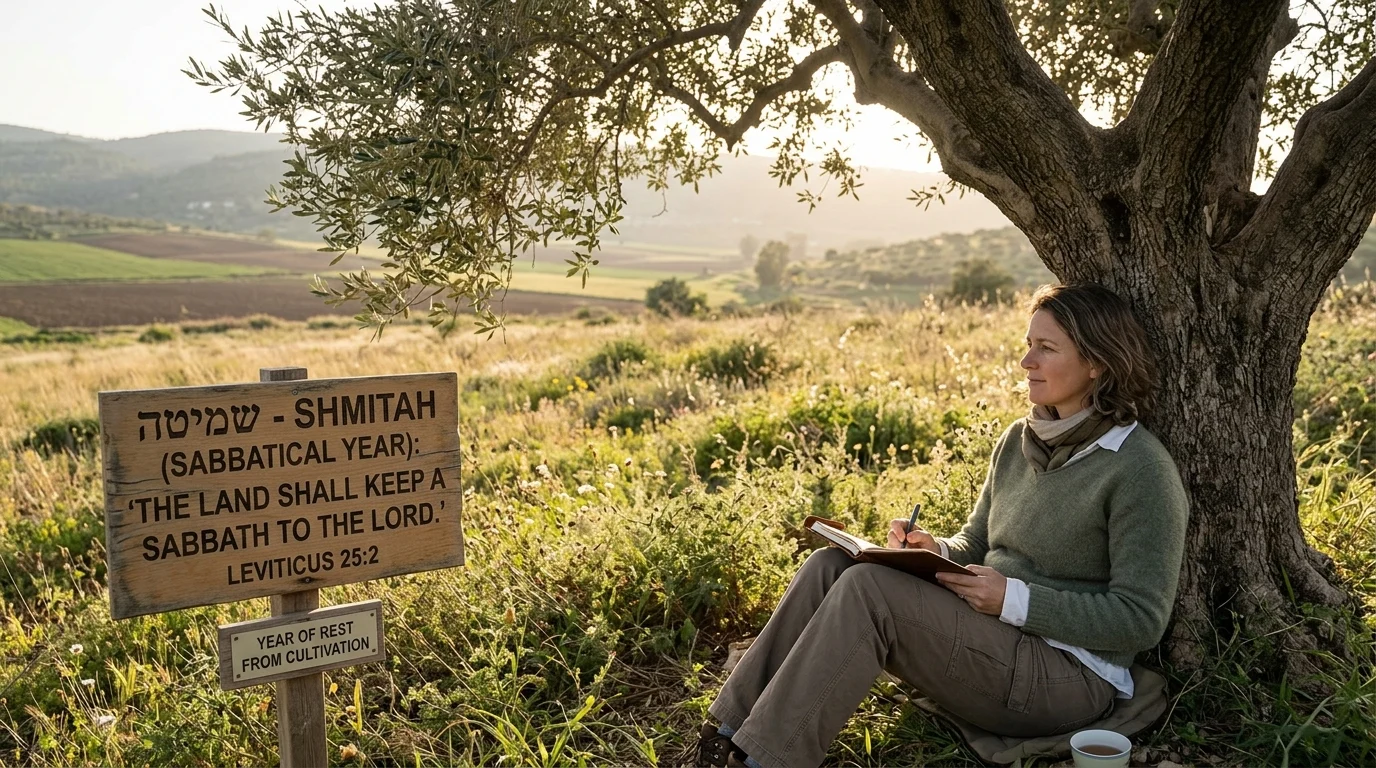
In the Bible, the sabbatical year is described as a special year of rest every seven years.
During this year:
- The land was not farmed
- Debts were released (in some laws)
- People and animals were given rest
- Trust in God’s provision was strengthened
“For six years you are to sow your fields… but in the seventh year the land is to have a year of sabbath rest.” — Leviticus 25:3–4
This command shows that rest is part of God’s design.
The sabbatical is a divine invitation to trust God’s provision.
The Biblical Foundation of the Sabbatical Year
The sabbatical year is part of God’s law given to Israel.
It is closely connected to the weekly Sabbath, where people rest every seventh day.
The pattern is:
- 6 days of work, 1 day of rest
- 6 years of farming, 1 year of rest
This rhythm teaches balance between work and rest.
God wanted His people to remember that everything they have comes from Him.
“The land is mine and you reside in my land as foreigners and strangers.” — Leviticus 25:23
This verse reminds believers that God is the true owner of everything.
Spiritual Meaning of the Sabbatical in the Bible
The sabbatical year carries deep spiritual meaning beyond agriculture.
Trust in God
People had to trust God to provide food during the rest year.
Rest and Renewal
It allowed physical, emotional, and spiritual recovery.
Obedience
Following God’s command required faith and discipline.
Humility
It reminded people they are not in control—God is.
Dependence on God
Everything ultimately comes from Him.
The sabbatical teaches that rest is an act of faith, not laziness.
Sabbatical and the Concept of Sabbath Rest
The sabbatical year is closely connected to the Sabbath day.
Jesus also spoke about rest:
“Come to me, all you who are weary and burdened, and I will give you rest.” — Matthew 11:28
This verse shows that true rest is found in God.
The Bible teaches two kinds of rest:
- Physical rest (Sabbath and sabbatical)
- Spiritual rest (peace in God through faith)
Both are gifts from God.
Why Did God Command a Sabbatical Year?
God’s command had many purposes:
Care for the Land
The soil needed time to recover and stay fertile.
Care for People
People needed rest from constant labor.
Teaching Faith
It taught Israel to depend on God, not just work.
Social Justice
The sabbatical helped reduce long-term debt and inequality.
God’s laws always combine wisdom, care, and justice.
Biblical Symbolism of Sabbatical Rest
The sabbatical year symbolizes:
- Renewal
- Trust
- Freedom
- Restoration
- Divine provision
It shows that God is concerned with both human needs and creation’s balance.
Even today, many believers see the sabbatical as a reminder to slow down and realign life with God’s rhythm.
Sabbatical in Modern Christian Life
While Christians are not bound to Old Testament agricultural laws, the principle still applies spiritually.
A modern “sabbatical” can mean:
- Taking rest from work
- Spending time in prayer
- Renewing faith
- Restoring emotional health
- Reconnecting with God
Many churches and ministries encourage rest seasons for spiritual renewal.
God still calls His people to rest, reflect, and trust Him.
Lessons From the Sabbatical Year
Here are important life lessons from the biblical sabbatical:
- Rest is part of God’s design
- Trusting God brings peace
- Work should not control life
- Renewal is necessary for growth
- Faith requires letting go of control
Rest is not wasted time—it is sacred time.
Sabbatical and Spiritual Growth
When believers practice spiritual rest, they often experience:
- Deeper prayer life
- Stronger faith
- Clearer purpose
- Inner peace
- Renewed strength
God uses rest to restore both body and soul.
“He makes me lie down in green pastures.” — Psalm 23:2
This verse reflects God’s gentle care and guidance.
Practical Ways to Apply Sabbatical Principles Today
You can apply sabbatical wisdom by:
- Setting aside regular rest time
- Trusting God with your workload
- Taking breaks from stress
- Spending time in Scripture
- Practicing gratitude
Even small moments of rest can renew your spirit.
Conclusion
The sabbatical meaning in the Bible is a powerful reminder that God designed life with rhythm, balance, and rest. It teaches trust, renewal, and dependence on God’s provision.
From the land of Israel to modern life, the message remains the same: God cares about rest as much as work. He invites His people to pause, reflect, and trust Him completely.
Remember this truth:
True rest is found in God, who renews our strength, restores our souls, and provides everything we need in His perfect timing.