Have you ever come across the word Sheol while reading the Bible and wondered what it means? It is not a word that people use in everyday conversation, yet it appears many times in the Old Testament. Because it is connected to death and the afterlife, it often creates curiosity and questions among Bible readers.
The Sheol meaning in the Bible is important because it helps us understand how people in the Old Testament viewed death and what they believed happened after life on earth ended. While the word may sound mysterious, the Bible uses it in a way that teaches powerful spiritual lessons about human life, God’s authority, and the hope believers can have in Him.
Imagine standing under a star-filled sky at night. You begin thinking about life, eternity, and what happens after death. These are questions that people have asked for thousands of years. The people of the Bible asked these same questions, and the word Sheol became part of their understanding of life and death.
Many people search for the Christian meaning, biblical symbolism, and spiritual significance of Sheol because they want to understand difficult Bible passages and deepen their faith.
The good news is that even when the Bible speaks about death, it also points toward hope, redemption, and God’s power over the grave.
Let’s explore the true meaning of Sheol and discover what Scripture teaches.
What Does Sheol Mean in the Bible?
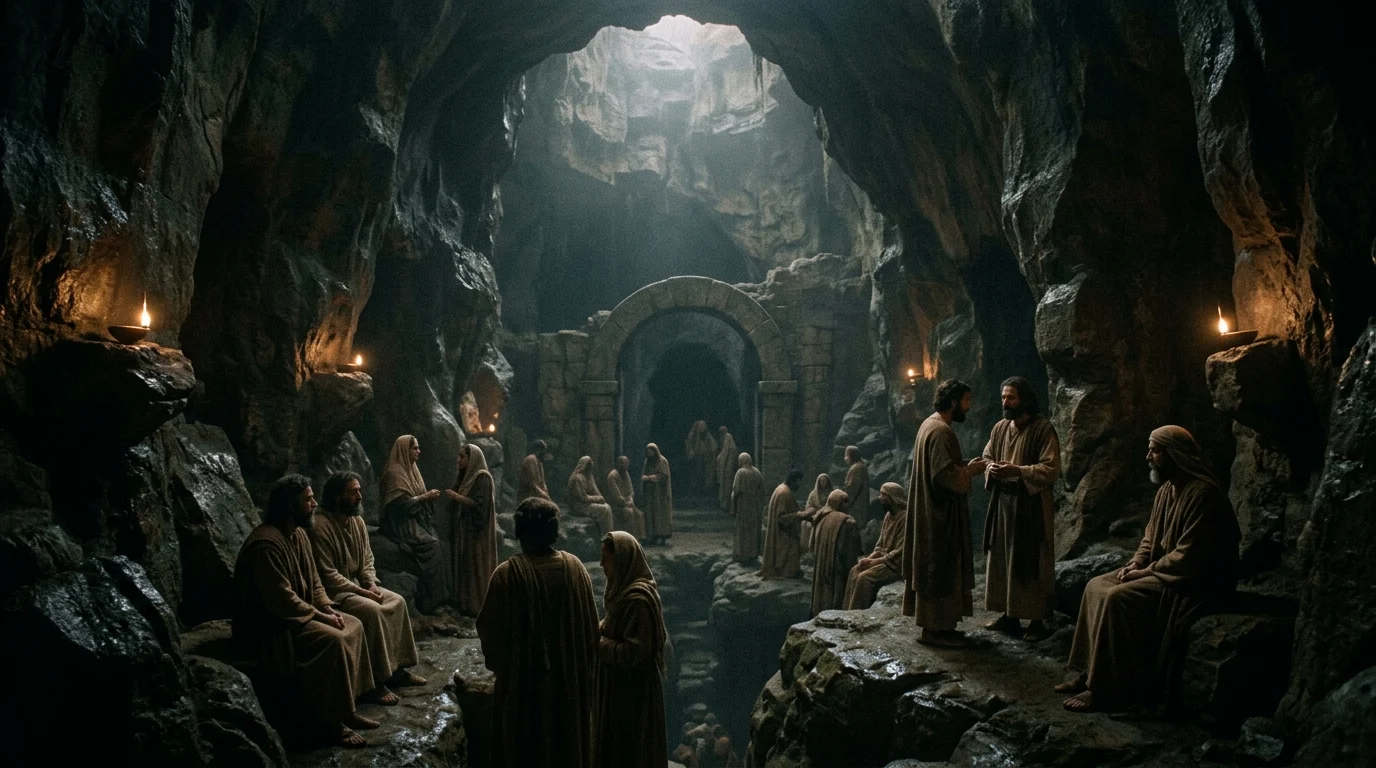
In the Old Testament, Sheol is a Hebrew word often used to describe the realm of the dead or the place where people go after death.
It can refer to:
- The grave
- The place of the dead
- The unseen world after death
- The realm of departed souls
Sheol is mentioned more than 60 times in the Old Testament.
Unlike some modern ideas about heaven and hell, Sheol was often described simply as the place where the dead gathered.
“For in death there is no remembrance of You; in Sheol who will give You praise?” — Psalm 6:5
This verse shows how Sheol was connected to death and separation from earthly life.
Sheol reminds us that human life on earth is temporary.
Sheol in the Old Testament
The Old Testament often presents Sheol as the common destination of all people after death.
Both the righteous and the wicked were said to go there.
For example, Jacob spoke of going down to Sheol in his grief.
“I will continue to mourn until I join my son in Sheol.” — Genesis 37:35
This does not mean Jacob expected punishment.
Instead, he was speaking about death and entering the realm of the departed.
This helps us understand that Sheol was not always viewed as a place of judgment.
Rather, it was generally seen as the place of the dead.
The Biblical Symbolism of Sheol
The biblical symbolism of Sheol often points to:
- Human mortality
- The reality of death
- Separation from earthly life
- The need for God’s salvation
- Dependence on God’s mercy
Throughout Scripture, death reminds people that life is fragile.
No matter how strong, rich, or powerful someone becomes, every human being eventually faces death.
The Bible teaches:
Life is a gift from God, and our hope must be placed in Him.
Sheol serves as a reminder of this truth.
Sheol and God’s Power
One important lesson about Sheol is that it is never beyond God’s control.
Even in passages that speak about death, the Bible teaches that God remains sovereign.
“If I make my bed in Sheol, You are there.” — Psalm 139:8
This beautiful verse offers comfort.
It teaches that there is no place where God’s presence and power cannot reach.
God’s authority extends over life and death.
This truth gave hope to believers even in difficult times.
Sheol and the Hope of Resurrection
As the Bible’s story unfolds, greater hope begins to appear.
The Old Testament hints that God’s power is stronger than death.
“But God will redeem me from the realm of the dead; He will surely take me to Himself.” — Psalm 49:15
This verse points toward hope beyond the grave.
While Sheol represented death, God’s promises pointed toward redemption.
Later, the New Testament reveals this hope fully through Jesus Christ.
The resurrection of Jesus shows that death does not have the final word.
God’s power is greater than the grave.
Sheol and Jesus Christ
Understanding Sheol becomes even clearer when viewed through the life of Jesus.
Jesus came to conquer sin and death.
His resurrection changed how believers understand eternity.
“I am the resurrection and the life.” — John 11:25
Through Jesus, Christians believe that eternal life is available to all who trust in Him.
The fear connected to death is replaced with hope.
Because Christ rose again, believers have confidence that death is not the end.
Jesus transformed the story of death into a story of victory and hope.
Positive Spiritual Meaning of Sheol
Although Sheol is connected to death, it also teaches valuable spiritual lessons.
1. Life Is Precious
Every day is a gift from God.
2. God Is Sovereign
Nothing is outside His control.
3. Eternity Matters
The Bible encourages people to think beyond temporary things.
4. Hope Is Found in God
God offers salvation and eternal life.
5. Faith Conquers Fear
Believers can trust God even when facing difficult realities.
Sheol reminds us to place our hope in God rather than in earthly things.
Sheol in Dreams or Spiritual Reflection
Some people dream about graves, darkness, or places connected to death and wonder about their meaning.
Dreams involving themes similar to Sheol may reflect:
- Fear of loss
- Personal reflection
- Spiritual questions
- Life transitions
- A need for deeper trust in God
Not every dream carries a spiritual message.
The Bible encourages believers to seek wisdom through prayer.
“If any of you lacks wisdom, you should ask God.” — James 1:5
God provides guidance and peace to those who seek Him.
Practical Lessons From the Meaning of Sheol
Here are simple faith lessons connected to the Sheol meaning in the Bible:
- Value each day God gives you.
- Trust God during difficult seasons.
- Remember that life on earth is temporary.
- Focus on spiritual growth.
- Place your hope in Christ.
God offers peace even when life feels uncertain.
Sheol and Your Faith Journey
Thinking about death can feel uncomfortable.
But the Bible does not discuss Sheol to create fear.
Instead, it points people toward faith and trust in God.
The message of Scripture is clear:
God is greater than death.
God is greater than fear.
God is greater than the grave.
When believers place their faith in Him, they find hope that lasts forever.
Conclusion
The Sheol meaning in the Bible helps us understand the Old Testament view of death and the realm of the dead. While Sheol represents mortality and the reality of death, it also points to a greater truth: God’s power extends beyond the grave.
Through Scripture, believers learn that life is precious, eternity is real, and hope is found in God alone.
Most importantly, through Jesus Christ, the fear of death is replaced with the promise of eternal life.
So when you read about Sheol in the Bible, remember this comforting truth:
God’s love, power, and promises reach far beyond the grave, offering hope that never ends.